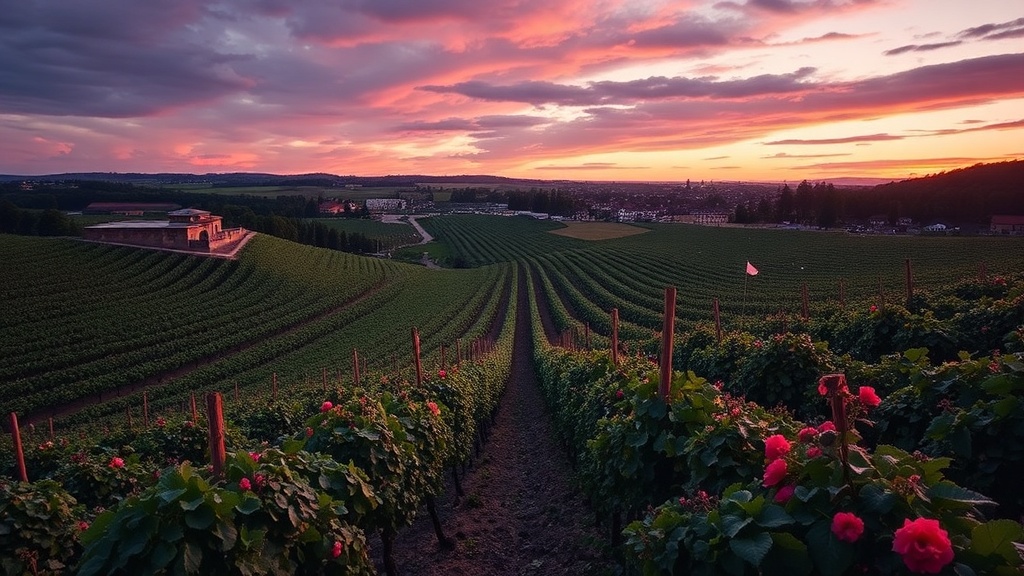
Planning a Group Wine Tour Through the Bordeaux Region

How to Plan a Group Wine Tour Through the Bordeaux Region
Have you ever tried to coordinate a group of six women through a high-end tasting schedule, only to realize half the group is hungover by noon and the other half is frustrated by a lack of transportation? Planning a wine tour in Bordeaux requires more than just booking a few chateaus; it requires a logistical framework that accounts for varying budgets, dietary needs, and the sheer scale of the region. This guide provides a strategic blueprint for organizing a seamless, high-quality group excursion through Bordeaux, focusing on transportation logistics, regional sub-zones, and cost management.
Define Your Sub-Region First
Bordeaux is not a single destination; it is a massive collection of distinct wine-producing sub-regions, each with its own personality and price point. If you try to "do it all" in three days, your group will spend more time in a van than in a tasting room. To keep the group cohesive, choose one primary area to serve as your home base.
- Left Bank (Médoc): This is the home of Cabernet Sauvignon-dominant blends. It is prestigious, structured, and home to legendary names like Château Margaux and Château Latour. This is the choice for a group looking for high-end, formal tastings and grand architecture.
- Right Bank (Saint-Émilion & Pomerol): This area focuses on Merlot and is characterized by more intimate, boutique estates and charming medieval villages. It is often slightly more approachable for groups that prefer a relaxed, village-centric atmosphere.
- Pessac-Léognan: Located closer to the city of Bordeaux, this region is excellent for groups with limited time. It offers a high concentration of top-tier white and red wines and is easily accessible via short drives from the city center.
- Saint-Émilion Plateau: Ideal for groups that want to combine wine with culture. The village itself is a UNESCO World Heritage site, making it a great hub for groups that want to wander cobblestone streets between tastings.
Solve the Transportation Logistics Early
The biggest mistake in group travel planning is assuming everyone can drive. In Bordeaux, many of the most prestigious chateaus are located down long, unpaved, or narrow gravel roads (known as *chemins*). Furthermore, the "one glass per tasting" rule is a logistical nightmare if you are relying on individual rental cars. For a group of 4 to 12 people, you have three viable options:
- Private Chauffeur/Driver Service: This is the gold standard for a high-end Bordeaux trip. Companies like Bordeaux Wine Tours or local private car services offer Mercedes V-Class vans that can comfortably fit a group and their luggage. This eliminates the stress of navigation and allows everyone to participate in the tastings safely.
- Private Guided Tour: Hiring a professional sommelier or a specialized guide provides more than just a driver; it provides context. A guide can secure bookings at estates that are often closed to the general public. This is the most efficient way to ensure you aren't rejected at the gate due to a lack of a prior appointment.
- The TER Train Network: If your group is budget-conscious and staying in the city of Bordeaux, you can use the regional train to reach Saint-Émilion. However, once you arrive at the station, you will still need a pre-arranged taxi or a local shuttle to reach specific estates, which can be difficult to coordinate on short notice.
Budgeting for High-End Tastings
A common friction point in group travel is the "surprise bill." In Bordeaux, wine tastings are rarely a flat fee; they are often structured around the level of the bottle being poured. A standard tasting might cost €25 per person, while a vertical tasting of a Grand Cru Classé can easily exceed €150 per person. To avoid resentment within the group, implement these three rules:
The "Menu Transparency" Rule: Before booking any estate, ask the estate for a PDF of their tasting tiers. Share this with the group chat. If one person wants the €500 bottle and another only wants the €30, they need to know that discrepancy exists before they sit down.
The Pre-Payment Strategy: For groups larger than five, many chateaus will require a deposit or full pre-payment to secure the booking. Use a centralized tool like Splitwise to track these advanced costs so one person isn't left holding a €1,000 bill at the end of a day of tastings.
The "All-In" Estimate: When presenting the itinerary to your friends, provide an "Estimated Daily Cost" that includes a high-end tasting, a seated lunch, and a private driver. This prevents the "sticker shock" that often ruins the mood of a luxury trip.
Curating the Itinerary: A Sample 3-Day Structure
To prevent "palate fatigue"—a real phenomenon where your ability to taste nuances diminishes after too many heavy reds—you must balance heavy tastings with lighter activities. If you are looking for a more intentional, slower-paced trip, you might look into slow living concepts to apply to your wine days.
Day 1: The Introduction (Bordeaux City & Pessac-Léognan)
Start in the city of Bordeaux to get everyone acclimated. Visit the Cité du Vin, an interactive wine museum that is visually stunning and great for group photos. In the afternoon, head to the Pessac-Léognan area for a white wine tasting (Sauternes or Graves) to lighten the palate before the heavy reds of the following days.
Day 2: The Grand Tour (Médoc or Saint-Émilion)
This is your "main event" day. If you are in the Médoc, schedule a lunch at a chateau that serves a full meal (many top-tier estates like Château Palmer or Château Lynch-Bages have exceptional dining rooms). A seated lunch is crucial because it provides a necessary break and prevents the group from feeling rushed.
Day 3: The Boutique Experience (Small Estates & Local Markets)
On the final day, pivot away from the massive, world-famous names. Book a smaller, family-owned estate where the owner or winemaker might actually walk the group through the vineyards. Follow this with a visit to a local market in a town like Arcachon or Libourne to buy local cheeses, chocolates, and souvenirs to take home.
Essential Group Etiquette and Logistics
To ensure the trip remains professional and enjoyable for everyone, keep these tactical tips in mind:
- The Lunch Anchor: Never schedule a tasting without a lunch reservation. In the Bordeaux countryside, restaurants can be sparse. A group of six hungry people wandering looking for a bistro is a recipe for a low mood.
- The "Opt-Out" Option: Always ensure the itinerary includes "free time." Some members of your group may want to nap or read in the hotel lobby while others want to explore a local boutique. Do not build a schedule that requires 100% participation from 8:00 AM to 8:00 PM.
- Hydration Protocol: For every tasting, ensure there is a dedicated water service. This sounds basic, but in a group setting, people often forget to drink water between glasses of high-tannin Cabernet, leading to early exhaustion.
By treating a Bordeaux wine tour as a logistical project rather than just a series of fun outings, you ensure that the focus remains on the wine and the company, rather than on the stress of the schedule. Plan the transport, clarify the costs, and respect the pace of the palate.