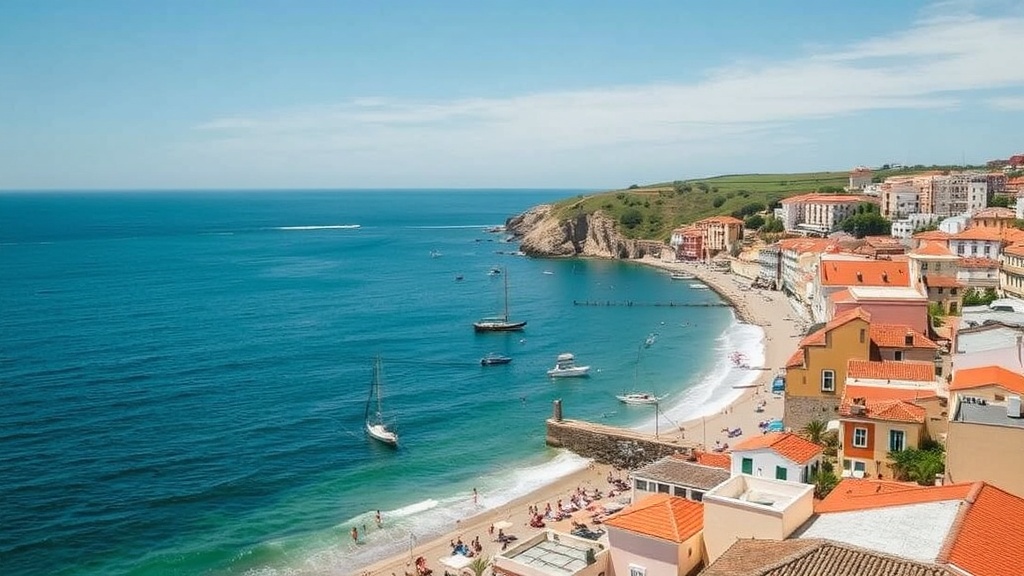
7 Best Coastal Towns for a Slow Living Girls Trip in Portugal

Cascais for Chic Seaside Vibes
Azenhas do Mar for Dramatic Cliffs
Tavira for Authentic Charm
Ericeira for Surfing and Sunsets
Ferragudo for Quiet Village Life
Viana do Castelo for Northern Beauty
Olhão for Seafood and Markets
This guide identifies seven coastal towns in Portugal specifically suited for a "slow living" girls' trip, focusing on locations that prioritize relaxation, seamless logistics, and high-quality local experiences over high-intensity sightseeing. You will learn which towns offer the best infrastructure for groups, where to find accommodations that accommodate multiple travelers, and how to structure your itinerary to avoid the common pitfalls of group travel fatigue.
1. Cascais: The Sophisticated Coastal Retreat
Cascais is the most accessible option for groups flying into Lisbon, making it an ideal choice if your group wants to minimize transit time and maximize relaxation. Because it is only 40 minutes from the capital via the Cascais Line train, it offers a perfect balance of high-end amenities and a laid-scale seaside atmosphere.
Group Logistics and Stay
For groups of 4 to 8, look for luxury villas or high-end apartments near the Marina de Cascais. This area allows your group to walk to dinner or the beach without needing a rental car. If your group prefers a hotel experience, the Albatroz Hotel offers a classic feel with easy access to the town center. A major advantage here is the reliability of the train connection, which serves as a fail-safe if you want to visit Lisbon for a day without the stress of driving.
Slow Living Activities
- Bica do Guia: Spend an afternoon walking the coastal path from Cascais to Guincho Beach. It is a flat, well-maintained trail perfect for long conversations.
- Sintra Day Trip: Use the train to visit Sintra. To keep it "slow," skip the crowded Pena Palace and instead book a private guided tour of the Quinta da Regaleira gardens to avoid the peak midday heat and crowds.
- Seafood Dinners: Focus on the local Marisqueira culture. Booking a table at Mar do Cascais ensures your group has a confirmed spot for a long, multi-course seafood lunch.
2. Tavira: Eastern Algarve Charm and River Rhythms
While much of the Algarve is known for high-energy resorts and heavy nightlife, Tavira offers a much calmer, more authentic experience. Located in the Eastern Algarve, the pace here is dictated by the tides and the river, making it a top choice for groups focused on wellness and mental resets.
Group Logistics and Stay
Tavira is best experienced by staying in a traditional townhouse or a renovated boutique hotel within the old town walls. This keeps the group central to the local shops and cafes. For larger groups, look for Casas de Campo (country houses) just outside the town center, which often include private pools and larger communal kitchen spaces—essential for group breakfasts or evening wine sessions.
Slow Living Activities
- Island Hopping: Take the ferry from the town center to the Ilha de Tavira. Instead of staying at the main beach hubs, walk toward the more secluded ends of the island to find quiet spots for reading and sunbathing.
- Salt Pans Exploration: Visit the local salt pans to see how traditional salt is still harvested. It is a low-impact, educational way to spend an afternoon.
- Evening Walks: The Roman Bridge in Tavira is a perfect spot for a sunset stroll before heading to a local tasca for petiscos (Portuguese tapas).
3. Ericeira: Surfing, Sea Salt, and Slow Evenings
Ericeira is a World Surfing Reserve, but you don't need to be an athlete to enjoy its rhythm. The town has a youthful, bohemian energy that feels more relaxed than the bustling Atlantic coast towns further south. It is perfect for a group of friends who want a mix of coastal aesthetics and a healthy, active lifestyle.
Group Logistics and Stay
Ericeira has seen a surge in high-quality boutique guest houses. If your group wants to be near the action, stay near the Praia do Ribeira d'Ilhas area. For those looking for more seclusion, look for villas slightly inland near Santo Isidro. This provides the benefit of a private pool and more space for group yoga or morning stretches.
Slow Living Activities
- Surfing Lessons: Even for beginners, a group surf lesson is a great way to bond. The waves here are consistent, and many local schools offer group packages.
- Coffee Culture: Spend mornings at local cafes like Luvia. The town has a strong focus on high-quality coffee and organic food, which is great for slow, lingering breakfasts.
- Sunset at Praia do Sul: This beach offers incredible views of the cliffs. It is a prime spot for a group picnic as the sun goes down.
4. Lagos: Dramatic Cliffs and Hidden Coves
Lagos offers some of the most iconic scenery in Portugal, characterized by golden cliffs and turquoise water. While the town center can be lively, the key to a "slow" trip here is knowing where to retreat when the crowds peak.
Group Logistics and Stay
For groups, I recommend looking for villas in the Porto de Mós area or slightly north of the town center. This allows you to have a private base with a pool while remaining a short 10-minute drive or bus ride from the beach clubs. Having a car is highly recommended here to access the more remote beaches without relying on unpredictable bus schedules.
Slow Living Activities
- Kayaking the Grottos: Instead of a large, noisy boat tour, book a small-group kayak tour to Ponta da Piedade. It allows your group to move at your own pace through the sea caves.
- Coastal Hiking: The trails along the cliffs are breathtaking. Plan a morning hike to avoid the midday heat, ensuring everyone has plenty of water and sun protection.
- Local Markets: Visit the local markets in the morning to grab fresh fruit and local cheeses for a group brunch at your villa.
5. Nazare: Big Waves and Small-Town Soul
Nazare is famous for its massive waves, but during the off-season or the calmer summer months, it is a beautifully traditional fishing village. It is a great choice for groups that want to witness incredible natural phenomena without the pretension of a luxury resort town.
Group Logistics and Stay
The town is built on a steep slope, so if your group has members with mobility concerns, look for accommodations in the Praia (beach) area rather than the upper town. There are several large, modern apartments near the water that are perfect for groups of 6 or more who want to be able to walk to the seafood restaurants easily.
Slow Living Activities
- The Lighthouse Experience: Visit the Farol de Nazaré. It provides a stunning view of the ocean and the mechanics behind the big wave surfing, offering a deep sense of place.
- Traditional Dining: Focus on the restaurants along the waterfront. Order the caldeirada (fish stew)—it is a slow-cooked staple that encourages long, communal meals.
- Beach Walks: The beach in Nazare is incredibly wide, providing ample space for long walks even when the town is busy.
6. Tavira (Alternative Focus): Olhão and the Ria Formosa
If your group wants to avoid the more tourist-heavy Algarve, head to Olhão. This town is defined by its red-brick architecture and its proximity to the Ria Formosa Natural Park. It is a place for those who love seafood, salt air, and a truly local atmosphere.
Group Logistics and Stay
Olhão is famous for its market and its fishing heritage. Look for apartments in the Olhão Old Town. The architecture is unique and provides a great backdrop for group photos, but more importantly, the town is highly walkable. You won't need a car for daily activities, which reduces the logistical burden on the group.
Slow Living Activities
- The Olhão Fish Market: Visit the market in the morning to see the local catch being brought in. It is a sensory experience that is central to the town's identity.
- Island Exploration: Use the local ferry services to reach the islands in the Ria Formosa. The water is calm, making it perfect for a relaxing day of swimming and light paddling.
- Exploring the Salt Marshes: Take a guided walk through the salt marshes to learn about the local ecosystem and birdwatching opportunities.
7. Alentejo Coast: The Ultimate Slow Living Destination
The Alentejo coast is perhaps the least "developed" part of the Portuguese coast, making it the ultimate destination for a group that wants to disconnect. It is rugged, wild, and much quieter than the Algarve or Cascais.
Group Logistics and Stay
This region requires a car. You cannot effectively do a group trip here without one, as the best spots are spread out. I suggest booking a large Herdade (estate) or a boutique farmhouse. This allows the group to enjoy the vast landscapes and the privacy of a large property, which is a core component of the slow living philosophy.
Slow Living Activities
- Stargazing: Because there is very little light pollution in the Alentejo region, the stargazing is world-class. Organize a group night under the stars with some local wine.
- Walking the Rota Vicentina: If your group is active, sections of this hiking trail offer incredible coastal views. Even a short 2-hour walk can be a highlight of the trip.
- Wine Tasting: The Alentejo region is famous for its robust wines. Incorporate a local winery visit into your itinerary to experience the slower pace of the interior countryside.
Final Strategy Tips for Your Portugal Group Trip
To ensure your trip remains "slow" and stress-free, keep these three logistical rules in mind:
- The "One Big Thing" Rule: Plan only one major activity or "destination" per day. This prevents the feeling of being rushed and allows time for spontaneous coffee breaks or long lunches.
- Pre-Book High-Value Meals: In Portugal, the best local spots often have limited seating. To avoid the frustration of a group of 6 or 8 wandering the streets looking for a table, always book your dinner reservations at least 24 hours in advance.
- Budget for Transport: While trains are great in the south, a car is often the most efficient way to move a group through the Alentejo or the northern coasts. Factor this into your initial budget to avoid last-minute stress.