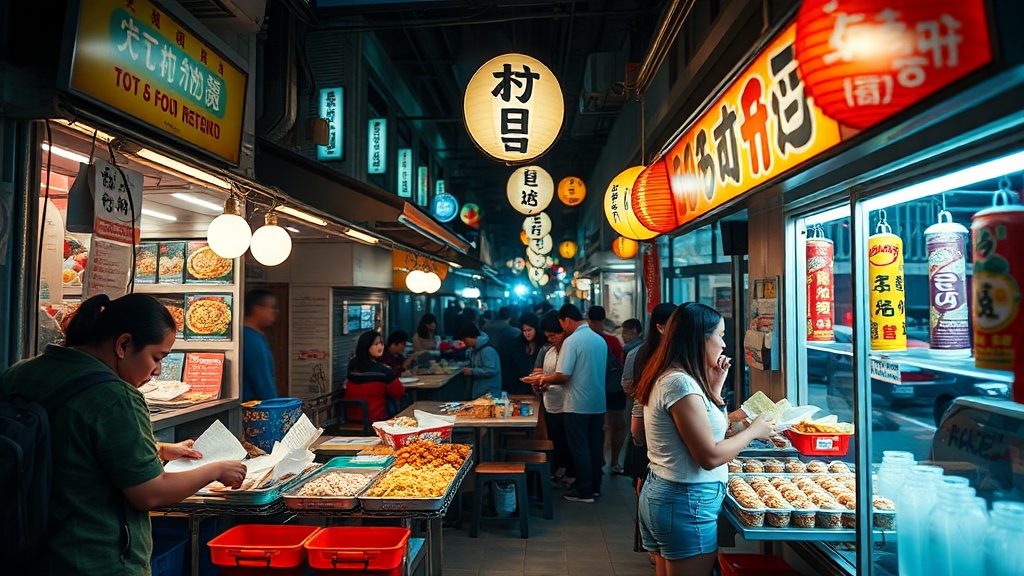
Where to Find the Best Street Food in Seoul with Your Besties

A group of four friends stands on a street corner in Myeong-dong, staring at a menu written entirely in Hangul. One person wants spicy rice cakes, another is hesitant about seafood, and a third is worried about the lack of seating. Without a plan, this moment turns into a twenty-minute debate that eats up precious sightseeing time. This guide ensures your group avoids that friction by identifying the best street food hubs in Seoul, explaining what to order, and providing the logistics you need to navigate crowded markets without losing anyone.
Seoul is one of the world's premier destinations for street food, offering a high density of flavor at a low cost. For a group trip, street food isn't just about the food; it is a social activity that allows everyone to try small bites without the commitment of a formal sit-down meal. However, navigating these markets requires a strategy to manage crowds, dietary restrictions, and payments. This post covers the top locations, specific dishes to seek out, and the practical logistics of eating on the move.
The Top Street Food Hubs in Seoul
Not all street food markets are created equal. Some are better for photography and light snacking, while others are heavy on hearty, filling meals. Depending on your group's energy levels, you should choose your destination based on these specific areas.
Myeong-dong: The Trendy and Photogenic Choice
Myeong-dong is the most famous street food destination, located in the heart of the shopping district. It is highly polished, making it a great entry point for groups who might be intimidated by more traditional, gritty markets. The stalls here often feature "Instagrammable" foods—items that look as good as they taste. Expect higher prices here than in other districts, but the convenience of being near major subway stations like M-dong Station (Line 4) makes it easy for groups to regroup.
Gwangjang Market: The Traditional Foodie Destination
If your group wants an authentic, high-energy experience, Gwangjang Market is the gold standard. This is a traditional indoor market where vendors sit behind long wooden counters. It is much more crowded and can feel overwhelming if you aren't prepared. However, the food quality is exceptional and the prices are significantly lower than in Myeong-dong. This is where you go to see the "real" Seoul culinary scene.
Namdaemun Market: The Best for Variety and Value
Namdaemun is one of Korea's oldest and largest traditional markets. It is less "touristy" than Myeong-dong and offers a massive variety of snacks ranging from savory pancakes to sweet treats. It is a great spot for a mid-afternoon snack before heading to a late dinner. Because it is a massive market, I recommend picking one specific section (like the Kal-guksu Alley) to avoid wandering aimlessly.
Must-Try Dishes and What to Look For
To avoid the "decision paralysis" that often hits groups, I recommend assigning one person to be the "scout" for each dish. Use this list to ensure you aren't just eating whatever looks easiest, but actually trying the staples.
- Tteokbokki (Spicy Rice Cakes): These are chewy, cylindrical rice cakes in a thick, spicy gochujang sauce. It is the quintessential Korean street food. If your group is sensitive to heat, look for "Cream Tteokbokki" or "Rose Tteokbokki," which uses cream to mellow out the spice.
- Gimbap (Seaweed Rice Rolls): Think of this as the Korean version of a sushi roll, but usually served warm and filled with cooked ingredients like pickled radish, egg, and bulgogi. It is the perfect portable meal for a group on the move.
- Hotteok (Sweet Pancakes): These are deep-fried dough pockets filled with melted brown sugar, cinnamon, and sometimes nuts. They are best eaten immediately while the center is still molten.
- Odeng/Eomuk (Fish Cakes): These are thin fish cakes served in a savory broth. In many markets, you can grab a cup of the broth for free, which is a great way to stay hydrated and warm in cooler weather.
- Korean Fried Chicken Skewers: Often served on a stick and glazed in soy garlic or spicy sauce, these are high-protein options that are easy to eat while walking.
Logistics and Group Management Strategies
As a former project manager, I look at a street food tour as a series of small, moving parts. To keep the group happy and the budget intact, follow these tactical rules.
Managing Payments and Cash
While many high-end shops in Seoul accept credit cards, many street food vendors are still cash-only or prefer local debit cards. Do not rely on your phone's digital wallet for everything.
Actionable Tip: Ensure every member of your group has a dedicated amount of Korean Won (KRW) in cash. I suggest setting a "Street Food Fund" where everyone contributes 30,000 to 50,000 KRW at the start of the trip. This prevents the awkwardness of splitting small bills at every single stall.
Navigating Crowds and Seating
Seating is the biggest variable in Seoul's street food scene. In Myeong-dong, you might find small standing tables, but in Gwangjang, you will likely be sitting on stools at a communal counter.
The Strategy: If your group is larger than four, do not try to sit together at a single stall. It is much more efficient to split into pairs or trios, grab what you want, and meet at a designated "rally point" (like a specific landmark or subway exit) 15 minutes later. This prevents the group from being split up by the flow of the crowd.
Handling Dietary Restrictions
Seoul's street food can be heavy on seafood, pork, and spice. If anyone in your group has allergies or dietary restrictions, you must be proactive.
The Pro Move: Download a translation app like Papago. Do not rely on English menus. You should have a pre-written phrase in Korean that says, "I have a [Nut/Shellfish/Pork] allergy" to show to vendors. For example, "Jeoneun [ingredient] alerji-ga isseoyo." This is much more reliable than hoping a vendor understands a verbal English explanation.
The "Real Talk" on Food Safety and Comfort
A common concern for travelers is food hygiene. While Seoul is generally very safe, eating in high-volume markets requires a bit of common sense. Look for stalls with high turnover; if a vendor is busy and the food is being cooked fresh in front of you, it is a good sign. Avoid any stalls where the ingredients have been sitting out in the open for an extended period without heat or cover.
Additionally, remember that street food is often eaten standing up or walking. If your group is wearing high heels or expensive silk garments, a street food tour might not be the best activity. I always suggest a "casual dress code" for market days—sneakers and clothes that can handle a bit of sauce splash. If you are planning a more structured itinerary, you might want to look into how to plan the ultimate girls getaway to ensure your daily activities match your group's comfort levels.
Summary Checklist for Your Seoul Food Tour
Before you head out to the markets, run through this quick checklist to ensure the group is prepared:
- Cash: Does everyone have at least 30,000 KRW in physical cash?
- Translation App: Is Papago downloaded and ready for allergy checks?
- The Rally Point: Have we designated a meeting spot in case we get separated?
- The "Scout" System: Who is responsible for checking the menu for the group?
- Comfort: Are we wearing shoes that allow us to stand and walk easily?
Street food in Seoul is an incredible way to bond with your friends, provided you approach it with a plan rather than just wandering. By choosing the right market for your group's vibe and managing the logistics of cash and crowds, you turn a potentially stressful meal into a highlight of your trip.