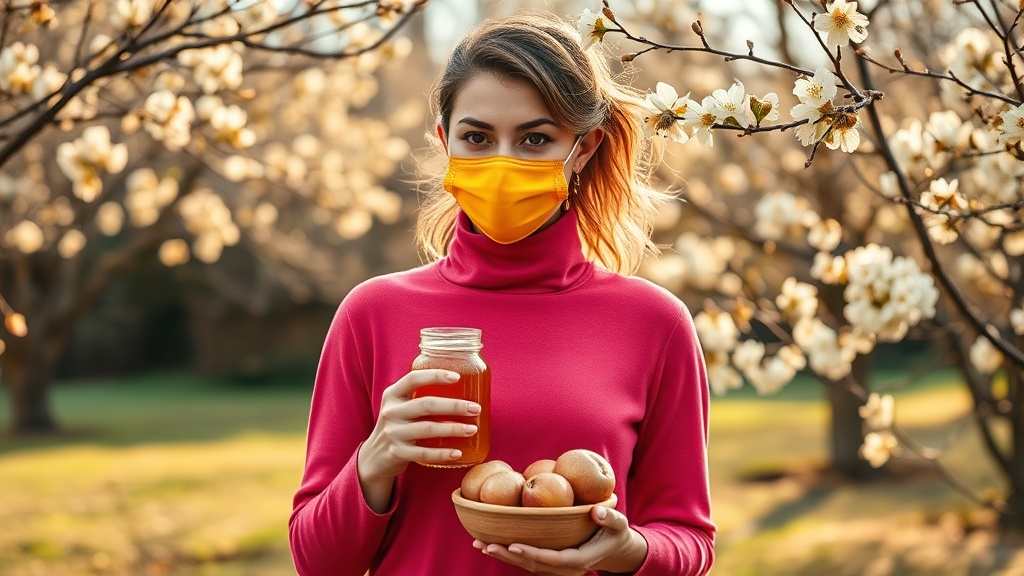
Spring Allergy Relief: Natural Remedies & Lifestyle Hacks

Why do spring allergies feel like a relentless sneeze‑fest?
Every March, pollen counts spike and the group chat erupts with sniffles, itchy eyes, and the dreaded “I‑can’t‑breathe” panic. If you’ve ever missed a brunch because the outdoors turned into a hay‑fever arena, you know the stakes. Let’s cut through the drama and get you breathing easy again.
What natural remedies actually work?
Below are science‑backed options that fit right into a busy girl‑trip planner’s toolbox.
- Local honey – Consuming a teaspoon of raw, locally‑sourced honey each morning can act as a mild desensitizer. The tiny pollen grains in the honey train your immune system to tolerate what’s out there. Mayo Clinic explains the theory.
- Quercetin‑rich foods – Apples, onions, and berries contain quercetin, a flavonoid that stabilizes mast cells and reduces histamine release. Aim for a daily serving, or consider a 500 mg supplement after checking with your doctor.
- Probiotic power – A healthy gut can modulate immune responses. Yogurt, kefir, or a quality multi‑strain probiotic may lessen symptom severity (NIH study).
- Vitamin C & N‑acetylcysteine (NAC) – Both act as natural antihistamines. A citrus‑packed smoothie or a 600 mg NAC capsule before heading out can keep the sneeze reflex at bay.
How can I improve indoor air quality without breaking the budget?
Allergy‑prone friends love Airbnb lofts, but open windows invite pollen. Here are low‑cost upgrades:
- HEPA filter fans – A portable HEPA unit circulates air and traps particles as small as 0.3 µm. Healthline’s top picks stay under $100.
- Air‑purifying plants – Spider plant, peace lily, and snake plant absorb airborne allergens. Place them near windows for a double‑duty vibe.
- DIY window screen spray – Mix water, a dash of dish soap, and a few drops of essential oil (eucalyptus). Spray on screens to trap pollen without choking airflow.
Which daily habits keep pollen at bay?
Simple hygiene tricks can slash exposure:
- Shower and change clothes immediately after coming inside.
- Keep sunglasses on outdoors – they block pollen from settling on the eyes.
- Use a saline nasal rinse (neti pot) each evening to flush out lingering particles.
- Schedule outdoor activities after rain; pollen counts dip dramatically.
What about medication? When should I reach for it?
Natural approaches work great for mild to moderate symptoms, but they’re not a blanket replacement for prescription antihistamines. If you find yourself reaching for the tissue every 30 minutes, a daily non‑sedating antihistamine (e.g., loratadine) remains a safe backup. Talk to your primary care provider to tailor the regimen.
How does this fit into the bigger “6 Age‑Defying Lifestyle Pillars” for spring?
Our latest pillar guide emphasizes proactive wellness. Managing seasonal sensitivities is the “Respiratory Resilience” component, keeping you energetic for city scouting, brunches, and night‑out plans. Read the full pillar breakdown here.
Ready to test a quick spring‑allergy hack?
Pick one natural remedy from the list, pair it with a HEPA fan, and track your symptom score for three days. You’ll see if the combo earns you a “clear‑air” badge for the next group adventure.
Takeaway
Spring doesn’t have to be a sneeze‑fest. By integrating local honey, quercetin‑rich foods, smart indoor‑air upgrades, and a few hygiene habits, you’ll keep the pollen at arm’s length and the group vibe high. Remember: natural tools are your first line, but keep antihistamines on standby for flare‑ups. Breathe easy, plan boldly, and enjoy the blossoms without the sniffles.
Related Reading
- Spring Refresh: 5 Ways to Revitalize Your Home and Mind – Tips for a healthier indoor environment.
- Spring Skincare Refresh – How skin‑care overlaps with allergy‑friendly routines.
- 6 Age‑Defying Lifestyle Pillars for 2026 Spring Wellness – The broader wellness framework.