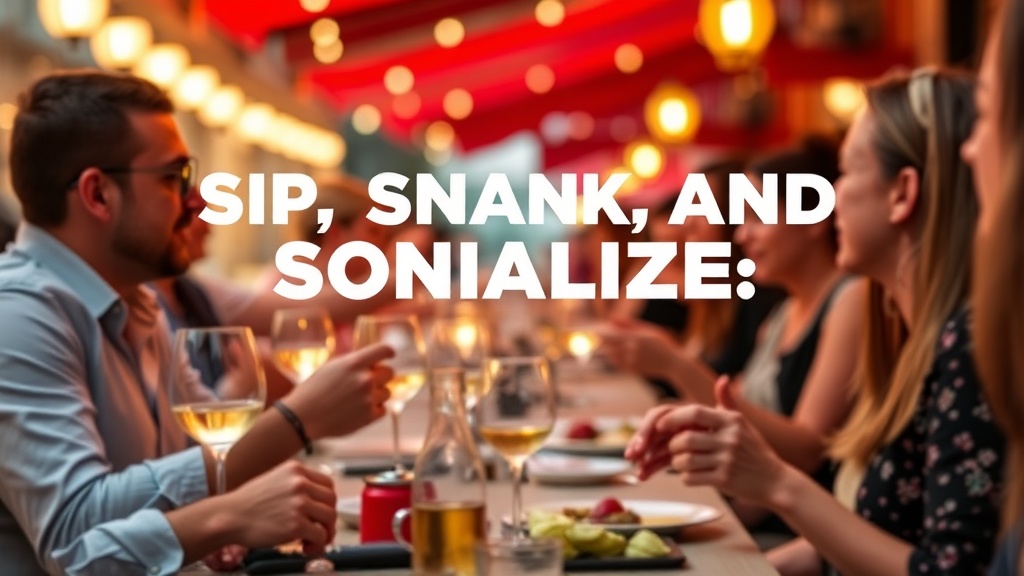
Sip, Snack, and Socialize: A Group Guide to Navigating European Aperitivo Culture

In many parts of Italy, the ritual of aperitivo is so deeply ingrained in the social fabric that it functions as a transitionary period between the productivity of the day and the relaxation of the evening, rather than just a quick drink. While many travelers view it as a simple happy hour, it is actually a sophisticated culinary bridge designed to stimulate the appetite through specific flavor profiles and textures.
The Logistics of the Aperitivo Hour
For a group traveling together, the biggest friction point during aperitivo is often the lack of a clear plan regarding timing and budget. Unlike a structured dinner reservation, aperitivo is fluid. In cities like Milan or Turin, the window typically opens around 6:30 PM and can stretch until 9:00 PM. If your group arrives at 5:00 PM, you will likely find empty tables and no food; if you arrive at 9:00 PM, you may find the kitchen has already closed the snack service.
To avoid the common pitfall of the "surprise bill," assign one person to be the "Logistics Lead" for the evening. This person should check the specific aperitivo offerings of a venue via their Instagram profile or website beforehand. Many high-end bars in Florence or Venice offer a fixed-price aperitivo menu that includes a drink and a buffet, while smaller neighborhood enoteche may only serve a small plate of olives or nuts with every beverage ordered. Knowing this distinction prevents the group from feeling misled when a bill arrives that includes individual heavy appetizers.
Strategic Seating for Groups
Finding seating for a group of six or more during peak hours can be a logistical nightmare if you haven't planned ahead. In high-traffic areas like the Navigli district in Milan, tables are often small and designed for two. To ensure your group stays together, look for venues that offer dehors (outdoor seating) or larger communal tables. Pro-tip: If you are a group of four or five, do not try to squeeze into a tiny corner table. It is better to walk an extra two blocks to a larger piazza where you can claim a larger space or find a bar with a more expansive terrace.
The Anatomy of the Drink: What to Order
The term aperitivo comes from the Latin aperire, meaning "to open." The drinks are specifically engineered to be bitter or effervescent to stimulate digestion. If your group is split between those who want something light and those who want something substantial, understanding the standard menu is essential.
- The Spritz Variations: The Aperol Spritz is the most recognizable, utilizing a bright orange bittersweet liqueur. However, for a more sophisticated or bitter profile, suggest the Campari Spritz. If your group wants something lighter and more floral, look for a Hugo Spritz, which typically features elderflower syrup, mint, and Prosecco.
- The Negroni: This is a classic cocktail consisting of equal parts Gin, Campari, and Sweet Vermouth. It is a heavier, more spirit-forward option that is perfect for those who want a slower, more substantial drink.
- The Americano: A lighter, more refreshing alternative to the Negroni, consisting of Campari, sweet vermouth, and soda water. It is an excellent choice if the group has been walking through the heat of a Mediterranean afternoon.
- Non-Alcoholic Alternatives: Do not assume you are limited to water or soda. Many modern Italian bars offer high-quality non-alcoholic bitter sodas or botanical infusions that mimic the complexity of a cocktail without the alcohol.
Navigating the Food: Buffet vs. Small Plates
The food component of aperitivo varies wildly by region and venue type. Understanding which one you are walking into will help manage expectations for your group's hunger levels.
The Buffet Model: Common in larger bars or certain hotel lounges, this involves a "pay for the drink, eat for free" (or a set price) system. You will often see spreads of focaccia, artisanal cheeses, cured meats like Prosciutto di Parma, and marinated vegetables. When navigating a buffet with a group, remind everyone to take small portions initially. It is easy to overindulge in salty snacks, which can lead to a sluggish group experience later in the evening.
The Small Plate Model: More common in upscale enoteche or boutique wine bars, this involves ordering specific dishes like bruschetta, cicchetti (Venetian-style small bites), or tagliere (a curated meat and cheese board). For a group, ordering a few taglieri to share is the most efficient way to sample a variety of local flavors without the logistical headache of everyone ordering individual meals. This approach also allows for better budget control, as you can track the number of shared plates versus individual drinks.
Regional Specialties to Watch For
To make your group experience more intentional, try to seek out regional specialties rather than generic snacks. This turns a simple drink into a cultural experience. For example, if your group is traveling through the Veneto region, prioritize cicchetti—small, hand-held snacks that are a staple of Venetian culture. These are often served in small bars called bacari.
If you are moving through the more coastal regions, look for seafood-based appetizers. In places like the Amalfi Coast, you might find small bites featuring local lemons or fresh anchovies. Integrating these local elements into your itinerary ensures that your "social hour" feels like a curated part of your journey rather than a repetitive routine. This level of detail is similar to the intentionality required when capturing the perfect golden hour in Tuscany; it is about being in the right place at the right time with the right tools.
The Etiquette of the Table
To maintain a professional and respectful presence, especially when traveling in a larger group, keep these three rules of etiquette in mind:
- The "One Drink" Rule: In many traditional settings, it is considered slightly gauche to order multiple rounds of heavy cocktails rapidly. Aperitivo is meant to be a slow build-up to dinner. If the group is hungry, suggest ordering a few shared snacks early to pace the evening.
- Tipping Culture: In Italy, a service charge (coperto) is often included in the bill. While a small tip for exceptional service is appreciated, you do not need to leave 20% as you might in the United States. A few extra Euros for the server is a polite way to acknowledge good service without creating a budget imbalance for the group.
- Volume Control: While aperitivo is a social time, remember that many of these venues are intimate. If your group is particularly loud, be mindful of the surrounding patrons. Being a "low-impact" traveler ensures you are welcomed back to your favorite local spots.
A Checklist for the Group Leader
Before you head out for the evening, run through this quick logistical checklist to ensure the transition from afternoon to evening is seamless:
- Confirm the Window: Does the venue serve food at this hour, or is it just drinks?
- Set a Budget Cap: Does everyone know if we are doing a "pay for yourself" or a "shared board" approach?
- Check the Weather: If you are aiming for a terrace (dehors), is there a backup plan if it rains or gets too cold?
- Identify the "Anchor" Venue: Have we picked a place with enough seating for the whole group?
By treating aperitivo as a planned event rather than a spontaneous decision, you eliminate the stress of "what are we doing now?" and replace it with a high-quality, culturally immersive experience. This level of preparation allows your group to actually relax and enjoy the moment, rather than debating over menus or searching for a table in a crowded piazza.
Steps
- 1
Timing Your Arrival
- 2
Choosing Your Signature Sipper
- 3
Navigating the Small Bites
- 4
Setting the Social Vibe