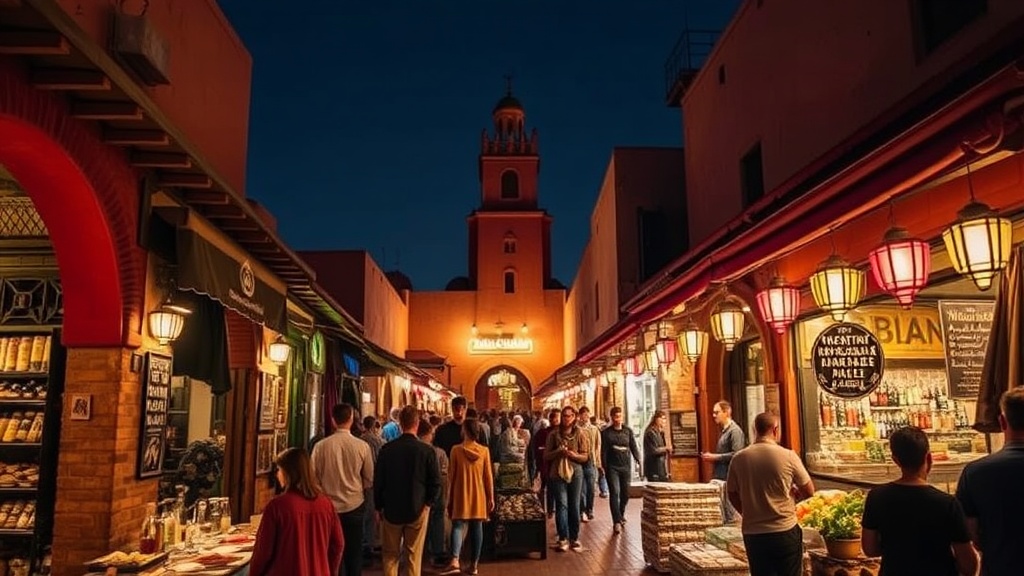
Midnight in Marrakech: A Group Guide to Navigating Moroccan Souks and Riads

Most travelers assume that navigating the labyrinthine souks of Marrakech requires a certain level of "street smarts" or a knack for aggressive negotiation. The reality is far more tactical: successful navigation is actually about logistics, mental mapping, and setting strict group boundaries before you even leave your riad. If you enter the Medina without a standardized communication plan and a designated "anchor point," your group will inevitably fragment, leading to the exact kind of stress that ruins a high-end getaway.
Marrakech is a sensory overload designed to keep you moving, but for a group, that movement can quickly become chaotic. Whether you are navigating the spice markets of Rahba Kedima or the leather tanneries, the goal is to maintain group cohesion without sacrificing the individual experience. This guide focuses on the structural elements of a Moroccan trip—logistics, budgeting, and spatial awareness—to ensure your group remains a cohesive unit rather than a collection of lost individuals.
The Riad Strategy: Your Command Center
In Marrakech, your riad is more than just a place to sleep; it is your operational headquarters. Unlike standard hotels, riads are traditional Moroccan houses with an interior courtyard. This architectural layout is beautiful, but it presents specific logistical challenges for groups, particularly regarding noise and accessibility.
Selecting the Right Riad for Groups
When booking, do not simply look at the aesthetic photos on Instagram. For a group, you must prioritize the following three technical specifications:
- The Courtyard Scale: Ensure the central courtyard is large enough to accommodate your entire group for breakfast or evening tea without feeling cramped. Small, intimate riads can feel claustrophobic once you have more than four people.
- Accessibility and "Last Mile" Logistics: Most riads are located in pedestrian-only zones. If your group has heavy luggage or members with mobility concerns, verify if the riad offers a shuttle service from a nearby drop-off point (like Place Jemaa el-Fnaa). Walking 15 minutes through narrow, uneven alleys with suitcases is a recipe for a bad mood.
- The Rooftop Policy: Many riads have rooftop terraces. Confirm if these are private to your booking or shared with other guests. A private rooftop is essential for group sunset sessions and provides a controlled environment for photography.
Managing Group Dynamics in Small Spaces
Because riads are inward-facing, sound travels upward through the courtyard. If your group is prone to late-night socializing, establish a "quiet hours" rule immediately upon arrival. This prevents friction with neighbors and ensures you aren't flagged by management for noise violations in a residential area.
The Souk System: Navigating the Labyrinth
The Medina is a network of narrow streets that can feel identical. Without a strategy, a group of five or six people will naturally split up as individuals stop to look at different wares. To prevent this, implement a "Check-In Protocol."
The Anchor Point Method
Before entering the souks, designate an "Anchor Point"—a recognizable landmark that is easy to find even in low light. A great choice is the Koutoubia Mosque or a specific large stall in Place Jemaa el-Fnaa. If the group becomes separated, everyone knows to return to this exact spot at a specific time. This prevents the frantic "where is everyone?" text threads that drain battery and patience.
Tactical Shopping and Negotiation
Negotiation in Marrakech is a social contract, not a battle. To keep the group budget on track, assign one person as the "Lead Negotiator" or set a "Price Ceiling" for the group. If everyone is negotiating different amounts for the same item, it creates confusion and can lead to social tension.
- The 50% Rule: A standard starting point for negotiation is roughly 50% of the initial asking price. Aim to settle at around 60-70% of the original quote.
- The "Walk Away" Technique: If a vendor is being aggressive or the price isn't moving, the most effective tool is to simply walk away. This is a polite, non-confrontational way to signal that the transaction is over.
- Group Purchases: If your group wants multiple items (e.g., several leather bags or ceramics), use this as leverage. Tell the vendor, "We are a group of six and want to buy these together if the price is right." This is often more effective than negotiating for a single item.
Avoiding the "Helpful" Local
You will encounter many people offering to show you the way or "help" you find a shop. In a group setting, these interactions can become overwhelming. The most professional way to handle this is a firm, polite, and direct: "No, thank you, I know where I am going." Do not engage in long explanations; brevity is your best tool for maintaining your pace and focus.
Dining and Budgeting: Avoiding the Surprise Bill
Dining in Marrakech can range from a 50 MAD street food experience to a 1,500 MAD fine dining event. For groups, the lack of standardized pricing in some areas can lead to significant budget discrepancies. To avoid the "surprise $300 dinner bill" phenomenon, follow these structural rules.
Pre-Determining the Dining Style
Before the trip begins, the group must decide on a dining hierarchy. Will you be eating street food for lunch and high-end dining for dinner? Or will you be doing group dinners every night? Mixing these styles without communication leads to resentment when one person wants a quick snack and another wants a three-course experience at Le Jardin.
The "Menu Check" Protocol
When dining at restaurants in the Medina, always ask for a printed menu with prices listed. While many high-end establishments like Nomad or Café des Épices have clear pricing, smaller, more traditional spots may rely on verbal quotes. For a group, this is a major risk. If the menu does not have prices, ask specifically: "How much is this dish per person?" before ordering. This ensures the person paying the bill isn't blindsided by a "group platter" that costs significantly more than individual portions.
Managing the Tip Culture
Tipping is an integral part of Moroccan service culture. To avoid the awkwardness of splitting a bill with complex tips, designate one person to handle the "Group Fund." This person tracks all shared expenses (water, communal snacks, shared appetizers) and handles the tip in one transaction. This minimizes the time spent at the table doing math and keeps the group moving toward their next destination.
Safety and Evening Transitions
As the sun sets, the energy in Marrakech shifts. The transition from the daytime heat to the nighttime bustle of Place Jemaa el-Fnaa requires a change in tactical approach. For those who are more cautious about navigating new environments after dark, understanding the transition is key to feeling secure.
If your group is planning to stay out late, ensure everyone has a digital and physical copy of the riad's address and phone number. While Google Maps is helpful, the signal in the narrow alleys of the Medina can be spotty. I highly recommend taking a screenshot of your destination's location on a map and saving it to your phone's gallery. This ensures that even without data, you can show a local driver or a group member exactly where you are heading.
For more advice on staying safe while exploring new cities after the sun goes down, read our guide on navigating the night safely. Understanding these environmental shifts is essential for maintaining the high-level organization required for a successful group trip.
The Essential Marrakech Packing List for Groups
To keep the group moving efficiently, everyone should carry a standardized set of "navigation tools." This prevents one person from being the bottleneck because they forgot a charger or a specific item.
- Portable Power Bank: Essential for keeping the group's "Anchor Point" communication alive.
- Physical Cash (Dirhams): While many places take cards, the souks are almost exclusively cash-based. Ensure everyone has a baseline amount of cash to avoid being the person who holds up the group at a stall.
- Modest Attire: To respect local customs and avoid unnecessary attention, ensure everyone has lightweight, breathable clothing that covers shoulders and knees. This is not just about culture; it's about comfort in the heat.
- A Shared Digital Folder: Use a platform like Google Drive or Notion to share the itinerary, riad address, and a list of "Group Rules" (like the price ceiling and quiet hours).
Marrakech is a magnificent, high-octane destination, but it does not reward a lack of preparation. By treating your trip like a well-managed project—with clear anchor points, standardized communication, and strict budget protocols—you can focus on the magic of the moment rather than the logistics of the chaos.