Island Hopping in the Cyclades: A Group Itinerary for Sun-Drenched Greek Summers

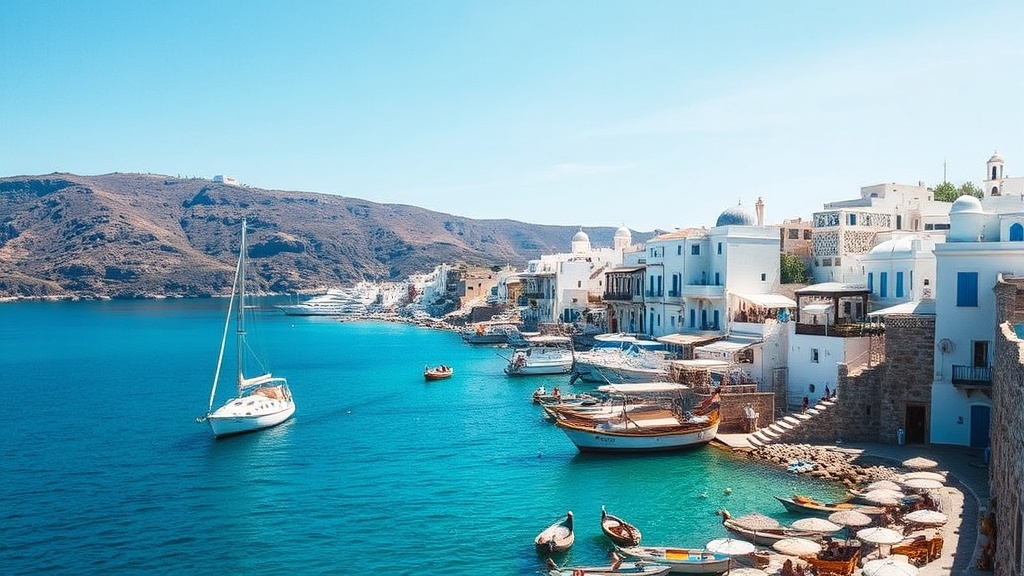
The scent of wild thyme and salty sea spray hangs heavy over the whitewashed walls of Naoussa, while the Aegean Sea shifts from a pale turquoise to a deep, bruised indigo as the sun begins its descent. In the distance, the rhythmic clinking of cocktail glasses from a waterfront taverna provides a steady soundtrack to the cooling evening breeze. This is the quintessential Cycladic summer: a sensory blend of heat, salt, and high-end leisure that requires more than just a plane ticket to execute perfectly. For a group traveling together, the magic lies in the logistics, ensuring that the transition from a sun-soaked beach to a candlelit dinner is seamless rather than stressful.
Island hopping through the Cyclades is a high-stakes logistical puzzle. Between ferry schedules that can shift due to the Meltemi winds and the varying levels of infrastructure between islands like Mykonos and Naxos, a lack of a central strategy can lead to missed connections and group friction. This guide provides a structured, high-efficiency itinerary designed for groups of 4 to 10 travelers, focusing on three distinct islands that offer a balance of luxury, adventure, and authentic Greek culture.
Phase 1: The High-Energy Arrival in Mykonos
Mykonos serves as the ideal entry point for a group looking to set a high-octane tone for the trip. It offers world-class dining and sophisticated beach clubs, but it also presents the highest potential for "budget creep" if not managed correctly. To avoid the common pitfall of unexpected high service charges or overpriced cocktails, book your beach club reservations at least three weeks in advance.
Where to Base Your Group
For a group that values proximity to both the nightlife and the quiet beauty of the coast, look for villas or boutique hotels in the Ornos or Agios Ioannis areas. These locations offer a slightly more relaxed atmosphere than the center of Mykonos Town (Chora) while still being a short taxi or ATV ride away from the action. If your group prefers a central, walkable experience, staying near Little Venice provides unparalleled access to the iconic windmills and waterfront bars, though be prepared for narrow streets and heavy foot traffic.
The Mykonos Itinerary Strategy
- Day 1: The Arrival and Orientation. Upon landing, bypass the standard taxi queues by pre-arranging a private van transfer through your hotel. This prevents the group from splitting into multiple vehicles and simplifies the luggage transfer process. Spend the afternoon at Psarou Beach, a premium destination known for Nammos.
- Day 2: Nautical Exploration. Rent a private catamaran for a half-day excursion to Delos, the sacred island of Apollo. A private boat allows the group to set their own pace, avoiding the rigid schedules of public water taxis.
- Day 3: Sunset and Sophistication. Dedicate the afternoon to the beach clubs of Panormos for a more secluded vibe, then head to Scorpios for a curated sunset experience. Note: Always confirm the "minimum spend" requirements for daybeds before booking to avoid a $500+ surprise at the end of the day.
Phase 2: The Cultured Transition to Naxos
While Mykonos is about the "scene," Naxos is about the "substance." As the largest and most fertile island in the Cyclades, Naxos offers a dramatic shift in landscape—from rolling green valleys to rugged mountains. This is where the group can decompress and engage with more authentic, slower-paced luxury.
Logistics: The Ferry Connection
Transitioning from Mykonos to Naxos is best handled via the Blue Star Ferries or SeaJets. For a group, I highly recommend booking Club Class or Business Class seats. While it may seem like an unnecessary luxury, the extra space for luggage and the dedicated seating area provides a much-needed buffer of comfort and prevents the "travel fatigue" that often occurs during sea crossings. Aim for a mid-morning departure to ensure you arrive in Naxos in time for a late lunch rather than a late dinner.
The Naxos Experience
Naxos is the perfect place to focus on gastronomy and local craftsmanship. The island is famous for its potatoes, cheeses (specifically Graviera Naxou), and local spirits. Instead of standard tourist dining, organize a group cooking class in a mountain village like Halki. This provides a structured activity that encourages group interaction without the pressure of a formal dining setting.
- Day 4: Coastal Relaxation. Head to Plaka Beach. The sand is expansive and the water is shallow, making it an ideal spot for a group to spread out without feeling crowded.
- Day 5: Village Hopping and Gastronomy. Spend the morning exploring the marble streets of Kastro and the Byzantine churches. In the afternoon, book a guided tour through the Tragea Valley to learn about local olive oil production.
- Day 6: The Portara Sunset. No trip to Naxos is complete without visiting the Portara (the massive marble gate of an unfinished temple). To avoid the crowds, arrive 45 minutes before the official sunset time and bring a lightweight picnic kit with local cheeses and olives.
Phase 3: The Iconic Finale in Santorini
Santorini is the crown jewel of the Cyclades, but it can be overwhelming due to the sheer volume of tourists. For a group, the key is to move away from the crowded caldera rim and toward the more expansive, scenic viewpoints of the southern islands.
Accommodation Strategy: Oia vs. Imerovigli
While Oia is the most famous, it is also the most congested. For a group seeking a more sophisticated and tranquil end to the trip, I recommend Imerovigli. Located at the highest point of the caldera, it offers the same breathtaking views as Oia but with significantly more breathing room and a more upscale, quiet energy. This is the ideal location for a final "celebratory" dinner.
The Santorini Itinerary Strategy
- Day 7: The Caldera Hike. For an active group, the hike from Fira to Oia is a spectacular way to see the island from a different perspective. Ensure everyone has high-quality hiking sandals (like Teva or Chaco) as the paths are uneven and can be slippery.
- Day 8: Wine and Volcanic Soils. Santorini is world-renowned for its Assyrtiko grapes. Instead of a standard tasting, book a private tour of Estate Argyros or Santo Wines. This allows the group to understand the unique volcanic viticulture while enjoying a structured, high-end experience.
- Day 9: The Final Sunset. Conclude the trip with a private sunset cruise around the caldera. This is the most efficient way to see the Caldera, Skaros Rock, and the Red Beach in a single afternoon without the logistical headache of multiple taxi transfers.
Essential Group Travel Checklists
To ensure the group remains synchronized and the budget stays on track, implement these three professional protocols:
1. The Shared Expense Protocol
Avoid the "who owes whom" headache by using an app like Splitwise. Designate one person as the "Lead Payer" for large group bookings (villas, boat rentals, group dinners) and have everyone settle up weekly. This prevents resentment and ensures transparency.
2. The "Opt-Out" Policy
One of the biggest causes of group friction is the feeling of being "trapped" in an itinerary. Explicitly state from the beginning that every activity—whether it’s a sunrise hike or a 4-hour lunch—is optional. This allows introverts and extroverts to coexist without social fatigue.
3. Transport and Timing Buffers
In the Cyclades, "on time" is a suggestion. Always build in a 30-minute buffer for all group movements. If a ferry is delayed or a taxi is stuck in traffic in Mykonos, a 30-minute margin prevents the group from feeling the stress of a "falling domino" effect on the rest of the day's plans.
By treating the journey as a series of managed transitions rather than a chaotic series of events, you transform a standard vacation into a curated, high-value experience. The goal is to arrive home with stories of the Aegean, not stories of the logistics that went wrong.