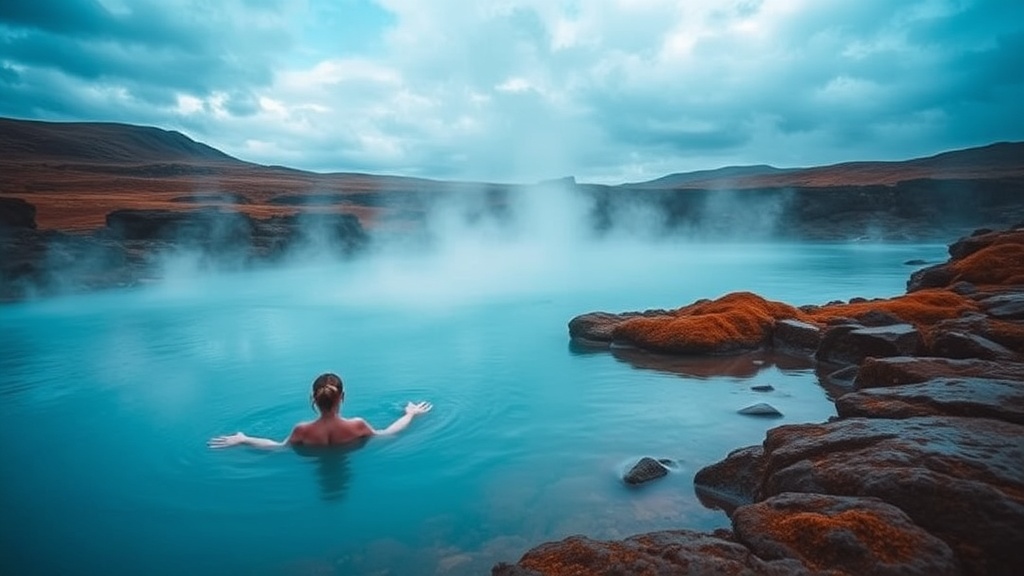
Finding the Best Natural Hot Springs in Iceland

Icelandic Geothermal Reality: A Practical Guide to Hot Springs
Iceland sits directly atop the Mid-Atlantic Ridge, a geological hotspot that results in over 1,000 geothermal hot springs scattered across the island. While these waters are a primary draw for travelers, navigating the distinction between high-end commercial lagoons and rugged, free-access natural pools requires precise planning. This guide provides the logistical breakdown you need to choose the right soak for your group, whether you are looking for a luxury spa experience or a secluded wilderness dip. Understanding the temperature variations, facility amenities, and seasonal accessibility will ensure your group avoids the frustration of arriving at a closed site or a facility that doesn't meet your comfort standards.
The Two Categories of Icelandic Soaking
Before booking anything, your group needs to decide which type of experience you are targeting. In Iceland, "hot spring" is a broad term that encompasses two very different operational models: commercial geothermal spas and natural hot springs.
Commercial Geothermal Spas
These are highly managed facilities that utilize geothermal water for luxury wellness. They are predictable, highly sanitized, and offer extensive amenities. These are ideal for groups with varying comfort levels or those traveling with older family members who require changing rooms, lockers, and consistent temperatures. Expect to pay a premium—often between $60 and $120 USD per person—but you are paying for the infrastructure and the ability to control the environment.
Natural and Remote Hot Springs
These are often found in the wild, sometimes accessible only via a short hike. They are frequently free or require a very small fee for maintenance. While the experience is more authentic, the logistics are significantly more complex. There are no changing rooms, no heated bathrooms, and the water temperature can fluctuate wildly based on the weather or recent rainfall. If your group is hiking through remote areas, you should consult a guide on what to pack for a group hiking trip to ensure you have the necessary layers for the post-soak trek.
Top Commercial Spas for Group Comfort
If your group priority is relaxation and seamless logistics, stick to the established spas. These locations are excellent for celebrating a birthday or a milestone trip because they offer high-quality food and beverage services on-site.
- The Blue Lagoon: Located near Keflavík Airport, this is the most famous facility in Iceland. It is best for groups who want a "luxury" experience with high-end skin care products. Logistics Tip: You must book weeks in advance. Do not attempt to walk in. The silica mud masks are a signature feature, but be aware that the mineral content can be heavy on the hair; bring plenty of conditioner for the trip home.
- Sky Lagoon: Situated just outside Reykjavík, this spa offers a more modern, sophisticated atmosphere with an infinity edge overlooking the Atlantic Ocean. It is particularly popular for evening visits. Logistics Tip: The "7-Step Ritual" is included in many packages. If your group is short on time, skip the full ritual to ensure you aren't rushed through the soaking portions.
- Ásgarður (Secret Lagoon): Located in the Golden Circle area, this is one of the oldest geothermal pools in Iceland. It feels more traditional and less "commercial" than the Blue Lagoon, making it a great middle-ground for groups who want comfort without the high-fashion crowd.
Must-Visit Natural Hot Springs and Hidden Gems
For groups looking for a sense of adventure and a lower price point, the natural springs offer a more visceral connection to the Icelandic landscape. However, these require more "boots-on-the-ground" preparation.
Hrunafoss and Reykjadalur Steam Valley
The Reykjadalur Valley is a popular choice for active groups. It involves a moderate hike (approximately 45–60 minutes uphill) to reach a river that is naturally warmed by geothermal heat. Practical Advice: The temperature of the river is not constant. If you arrive and the water is too hot, move further downstream. If it is too cold, move upstream toward the source. Bring sturdy hiking boots and waterproof bags for your dry clothes, as you will be changing in the elements.
Landmannalaugar
Located in the Highlands, this area is only accessible via 4x4 vehicles and during the summer months. The hot springs here are part of a larger hiking network. This is a high-level logistical undertaking that requires a dedicated vehicle and a solid weather window. It is perfect for experienced outdoor groups who want to combine heavy hiking with a rewarding soak.
Seljavallalaug
This is one of the oldest pools in Iceland, tucked into a mountain cleft. It is a man-made pool fed by natural hot springs. It is much more modest than the commercial spas and is a great stop for groups traveling the South Coast. Warning: The water is often cooler than the commercial lagoons, and the facility is basic. Do not expect a shower or a changing room; bring a towel and a change of clothes in a waterproof bag.
Essential Logistics and Group Etiquette
To ensure a smooth experience, your group should adhere to these specific operational rules common in Icelandic bathing culture.
The Shower Rule (Non-Negotiable)
In Iceland, you are required to shower thoroughly with soap before entering the water. This applies to both the high-end spas and the more modest natural pools. This is not just a suggestion; it is a hygiene standard to keep the geothermal water clean for everyone. Most commercial facilities have strict monitoring, and failing to shower can result in a reprimand from staff. For natural pools, ensure you have a way to rinse off or at least understand that you are entering a communal, unmanaged water source.
Temperature Management
The biggest mistake groups make is underestimating how cold it feels to get out of the water. Even if the air temperature is 40°F (4°C), the wind chill after exiting a 100°F (38°C) pool can be jarring. The Strategy: Always have a "transition layer" ready. This should be a heavy fleece or a down jacket that can be put on immediately. If you are visiting a natural spring, do not leave your car or your base camp without a high-quality waterproof outer layer.
Managing Group Budgets
If you are the group leader, be transparent about the cost of the "Big Three" (Blue Lagoon, Sky Lagoon, and Ásgarður). These are significant expenses. I recommend suggesting a "Mix and Match" approach: book one high-end spa experience for a special night, and plan for two or three free or low-cost natural spring visits. This keeps the group's total daily spend manageable while still providing a variety of experiences.
What to Pack: The Hot Spring Checklist
Do not rely on the facility to provide everything. To avoid the "I forgot my towel" panic, ensure every member of the group has the following:
- Waterproof Dry Bag: Essential for natural springs to keep your phone, car keys, and dry clothes safe from the damp environment.
- High-Quality Hair Conditioner: The minerals in the water (especially silica) can leave hair feeling extremely dry and brittle. Apply a heavy conditioner before entering and after exiting.
- Flip-Flops or Waterproof Sandals: Even in luxury spas, you will want these for walking from the changing room to the pool to avoid slipping on wet tiles.
- Quick-Dry Microfiber Towel: If you are visiting natural springs, a standard cotton towel will stay damp and cold for hours. Microfiber is much more efficient.
- Layered Clothing: A base layer (merino wool is best), a mid-layer (fleece), and a heavy outer layer (down jacket).
Summary Table: Quick Comparison
| Feature | Commercial Spas (Blue/Sky Lagoon) | Natural Springs (Reykjadalur/Landmannalaugar) |
|---|---|---|
| Cost | High ($60 - $120+) | Low to Free |
| Amenities | Lockers, Showers, Bars, Spas | Minimal to None |
| Accessibility | Easy (Paved/Near Roads) | Moderate to Difficult (Requires Hiking/4x4) |
| Predictability | High (Consistent Temp/Cleanliness) | Low (Weather/Location Dependent) |